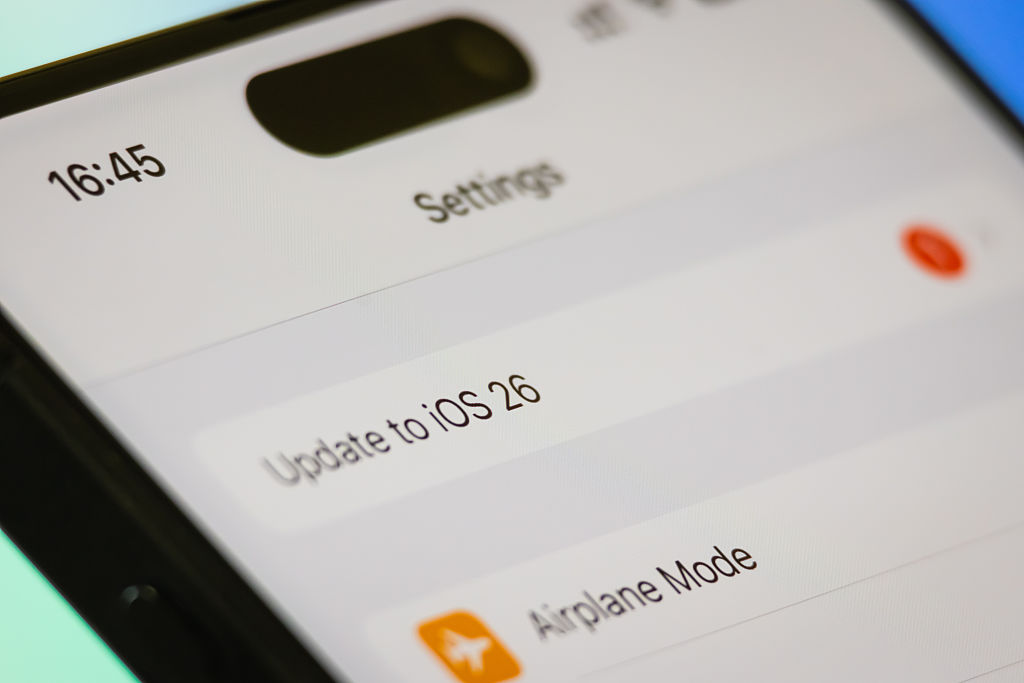
Apple's ecosystem thrives on consistent updates, and iOS 26.3.1 is the latest iteration designed to refine the iPhone user experience. Positioned primarily as a bug fix release, it aims to iron out inconsistencies and bolster security that emerged from the initial iOS 26.3.0 rollout. While such updates are vital for maintaining device health and security, a closer look reveals a mixed bag of improvements and lingering frustrations, particularly concerning Ios 26.3.1 Problems that some users continue to encounter.
For many, this update promises a smoother, more reliable iPhone experience. However, the tech community, especially vocal users on platforms like Reddit, has highlighted specific issues that remain unaddressed, challenging the notion of a universally improved system. This review delves into what iOS 26.3.1 truly delivers, examining both its intended fixes and the persistent glitches reported by the user base.
The Official Stance: What iOS 26.3.1 Aims to Deliver
According to Apple, iOS 26.3.1 is a minor, yet crucial, update. Its primary purpose is to address various bugs and enhance security that might have been present in its predecessor, iOS 26.3.0. Unlike major releases that introduce a slew of new features, these incremental updates are critical for refining the core operating system, ensuring stability and protecting user data. Apple's official communication on this software change highlights general security improvements and bug fixes, often working "behind the scenes" to optimize phone operation.
One notable enhancement explicitly mentioned with this update is improved compatibility for the Apple Studio Display. This particular fix caters to users who integrate their iPhones with larger, external displays, particularly in professional or multi-screen work environments. By ensuring seamless connectivity and optimal performance with new display products, Apple strengthens its ecosystem for advanced users. This focus on device interoperability underscores Apple's commitment to a cohesive hardware and software experience, especially as its product line expands.
Despite the lack of a lengthy list of flashy new features, the essence of iOS 26.3.1 lies in its role as a caretaker update, designed to keep your iPhone running efficiently and securely for the long haul. These continuous refinements are a hallmark of Apple's software development cycle, aiming to incrementally improve the user experience without necessitating a complete overhaul.
Persistent Challenges: The Reality of Ios 26.3.1 Problems for Users
While Apple's intentions for iOS 26.3.1 are clear – to provide essential bug fixes and bolster security – the real-world experience for many users tells a somewhat different story. Despite the official notes, a significant portion of the iPhone community has voiced disappointment, indicating that not all lingering issues have been resolved. This disparity between promised fixes and persistent Ios 26.3.1 Problems has become a focal point of discussion on various online forums.
One of the most concerning and frequently cited issues is the unreliability of alarms and timers. As multiple users on platforms like Reddit's r/iOS forum have attested, a smartphone that cannot consistently perform basic functions like waking you up in the morning is fundamentally flawed. This isn't merely an inconvenience; for many, it can disrupt daily routines, work schedules, and crucial appointments. The expectation is that such a fundamental feature should operate flawlessly across all iOS versions, and its continued erratic behavior is a serious point of contention.
Another area of complaint revolves around the predictive text keyboard. Rather than improving, some users argue it has regressed, leading to a less intuitive and more frustrating typing experience. In an age where smartphone interaction is heavily reliant on quick and accurate text input, any degradation in this core functionality significantly impacts daily usability. Additionally, reports of erratic battery charge time displays add to the list of minor yet irritating inconsistencies that users have hoped to see resolved. These issues, while perhaps not critical for all, cumulatively diminish the premium user experience Apple strives to deliver.
The feedback from these user communities carries considerable weight because it is specific and widespread. It highlights a disconnect where Apple identifies and addresses certain bugs, but others – particularly those affecting daily interaction – remain unresolved. For a deeper dive into the specific user frustrations and whether Apple's bug fixes truly hit the mark, consider reading iOS 26.3.1 Update: Apple's Bug Fixes vs. Unresolved User Issues.
Who Can Update and How to Install iOS 26.3.1
The good news is that iOS 26.3.1 is broadly accessible, continuing support for a wide range of modern iPhones. If your device is already running iOS 26, you're eligible for this update. This includes:
- iPhone 11 series
- iPhone 12 series
- iPhone 13 series
- iPhone 14 series
- iPhone 15 series
- iPhone 16 lineup
Typically, the update appears automatically in your device settings. However, it's worth noting that software rollouts can sometimes be staggered geographically, so if you don't see it immediately, give it a little time.
Installing the update is a straightforward process that anyone can follow:
- Open the Settings app on your iPhone.
- Tap on General.
- Select Software Update.
- Tap Download and Install.
Before initiating the download, it’s always recommended to be connected to a stable Wi-Fi network to avoid cellular data overages and ensure a faster, more reliable download. Additionally, make sure your iPhone's battery is sufficiently charged (at least 50%) or, ideally, keep it plugged into a power source throughout the update process to prevent any interruptions.
Understanding Apple's Update Cadence and Why They Matter
Apple's approach to software releases typically involves major annual updates (e.g., iOS 26) followed by a series of minor, incremental versions like 26.1, 26.2, and now 26.3.1. These smaller updates, though sometimes overlooked by users eager for new features, play a critical role in the health and longevity of your device. They are primarily designed to patch security vulnerabilities, fix bugs that emerge post-release, and improve overall system stability.
For instance, after releasing its initial major update, iOS 26, Apple has consistently followed up with several "minor" updates. iOS 26.3.1, released after 26.3.0, perfectly illustrates this strategy. These updates, even if they don't introduce groundbreaking new functionalities, are vital for patching exploits that malicious actors might try to leverage, thereby protecting your personal data and ensuring your device operates safely. Furthermore, they can subtly optimize performance, improve battery efficiency (even if the display isn't perfect), and ensure compatibility with newer accessories or apps.
Therefore, despite the frustrations some users might experience with lingering Ios 26.3.1 Problems such as those affecting alarms, battery indicators, or predictive text, installing these updates is almost always beneficial. The security patches alone make them worthwhile, shielding your device from potential threats that are constantly evolving. Even the "tiniest" update contributes to a more secure and functional digital environment, safeguarding your iPhone's performance and your personal information. For a deeper look into the specific issues that continue to plague users post-update, you might find iOS 26.3.1 Problems: Alarms, Battery, & Text Still Not Fixed to be an informative read.
Conclusion
iOS 26.3.1 serves as a classic example of Apple's continuous effort to refine its mobile operating system. While it successfully delivers crucial security enhancements and important compatibility improvements, particularly for the Studio Display, it doesn't entirely quash all existing Ios 26.3.1 Problems. The feedback from the user community highlights that some frustrating inconsistencies, notably with alarms, predictive text, and battery display, persist.
Despite these lingering issues, the overall recommendation remains to update your eligible iPhone. The security fixes alone provide a compelling reason, protecting your device from vulnerabilities and ensuring a safer digital experience. While not a revolutionary update, iOS 26.3.1 is a necessary step in the ongoing maintenance of the iOS ecosystem, contributing to the long-term health and stability of your device, even as we await future updates to address the more stubborn user complaints.